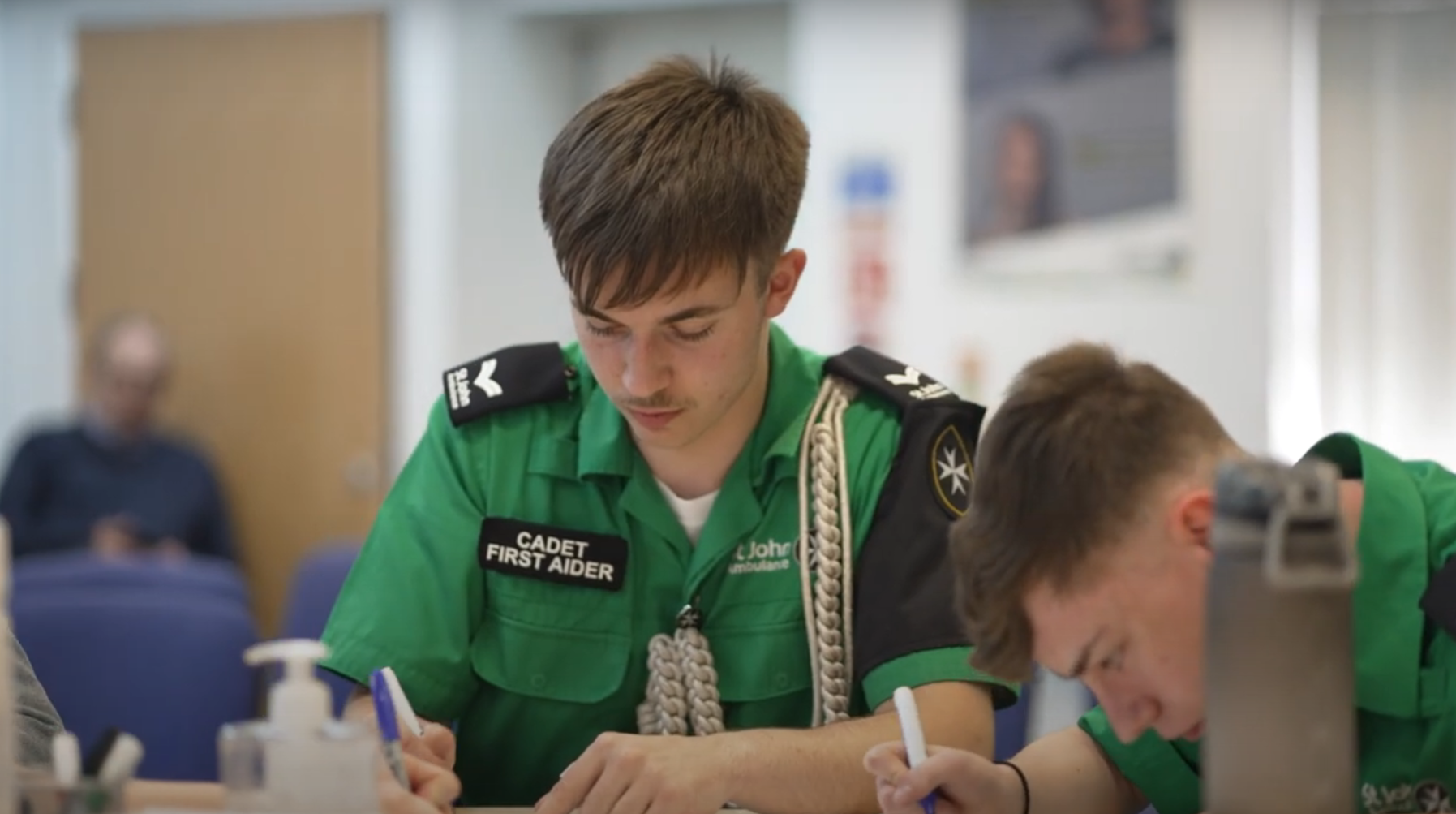
We recently funded a national “Violence Prevention Health Champions” pilot programme to teach young people how to identify, prevent and address the root causes of violence.

Programme Overview

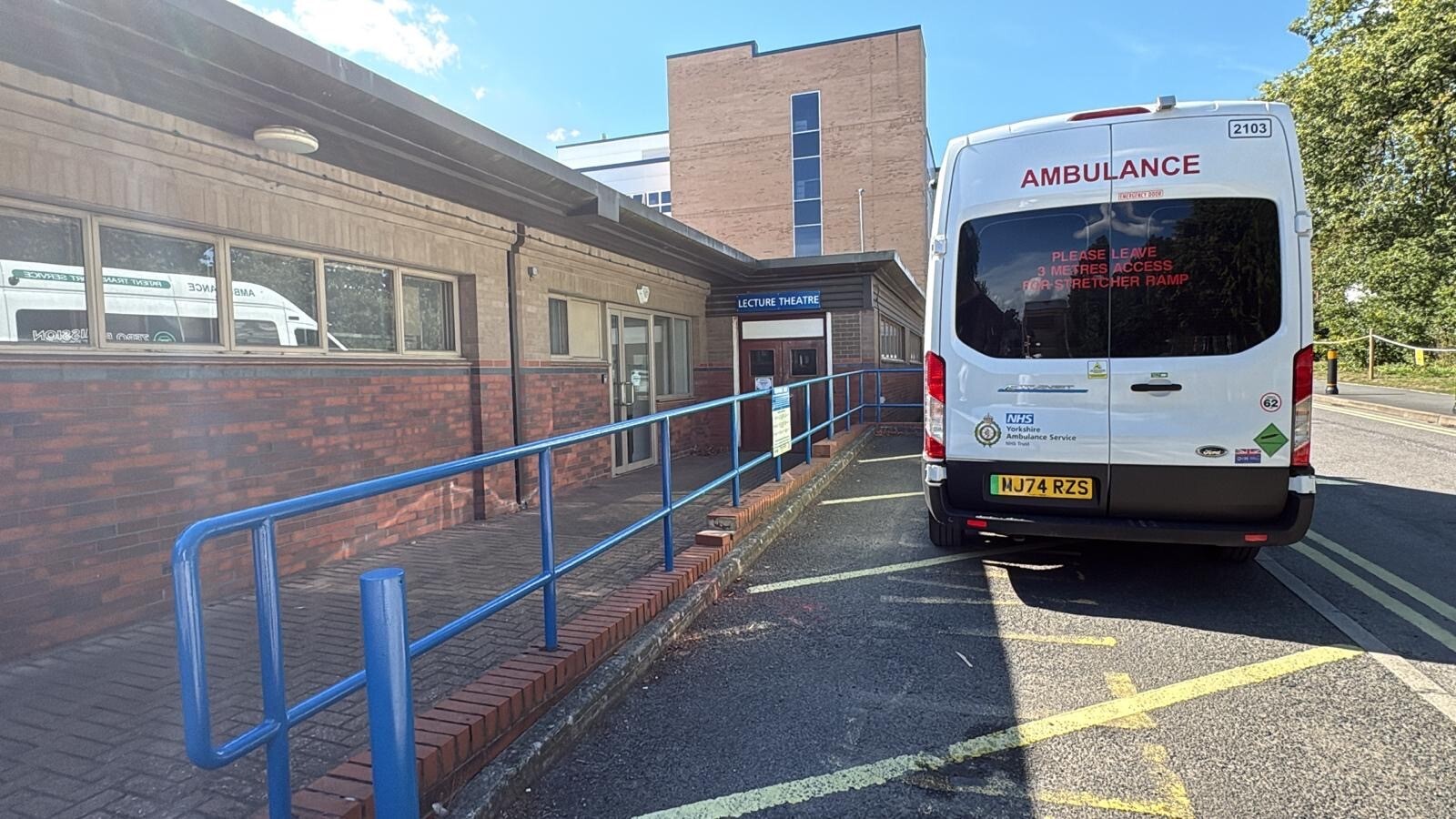
19 young people aged between 18 and 25 were selected for the six-week programme, which launched on the 28 October 2025 at Castle Hill Hospital in Cottingham. Participants learnt useful knowledge and practical skills to create safer and more supportive places for patients, NHS staff and the public. By completing the training, the graduates were awarded a nationally-recognised Level 2 qualification.

As this was a pilot programme, participants helped shape and develop a module focused on violence prevention. Other key topics covered by the programme included: 

  • Reasons how and why violence can affect communities
  • The impact violence can have on communities
  • How a public health approach can help reduce and prevent violence in communities

The participants also worked in small groups to develop awareness campaigns aimed at reducing serious violence. In the final session the teams presented their ideas, explaining their key objectives, marketing channels and target audiences. Themes included social media's influence on violence, challenging stereotypes in minority groups and encouraging bystander intervention at nighttime. 

Celebrating the Graduates

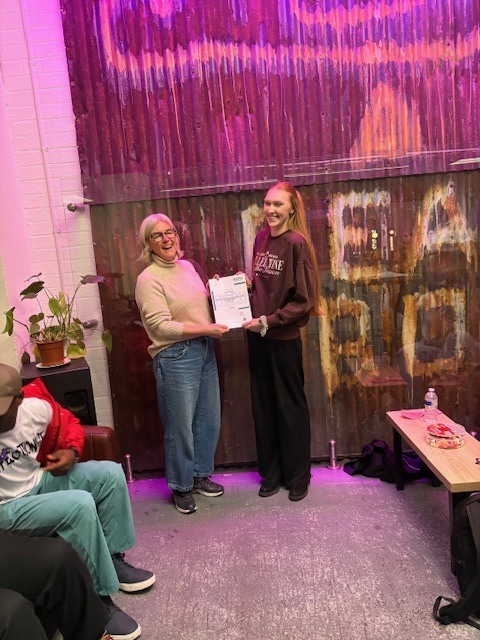
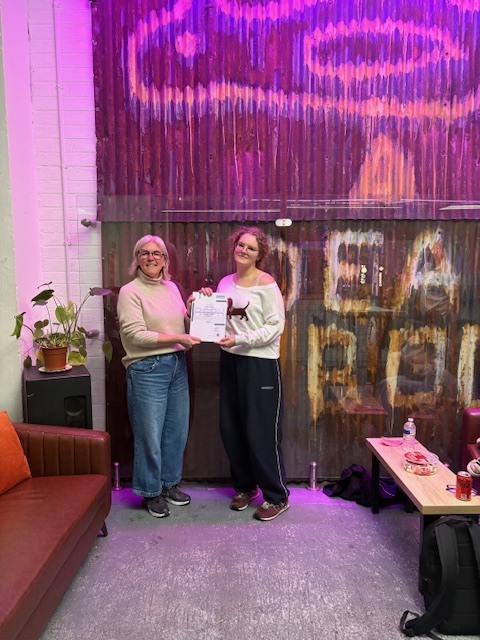
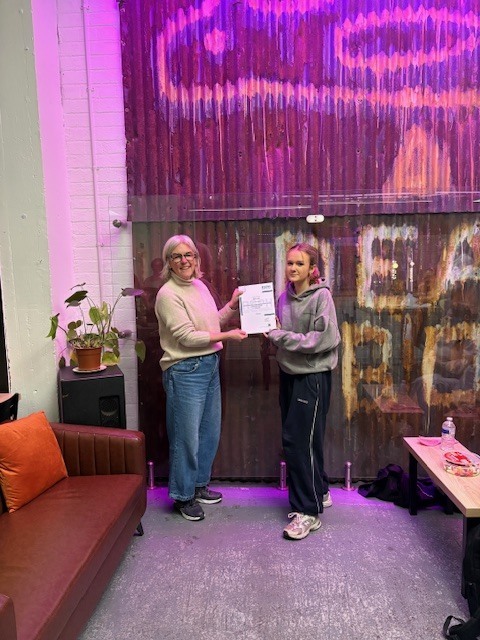
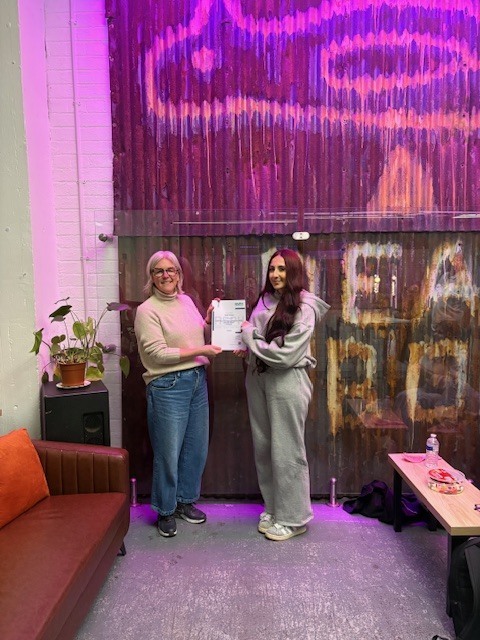
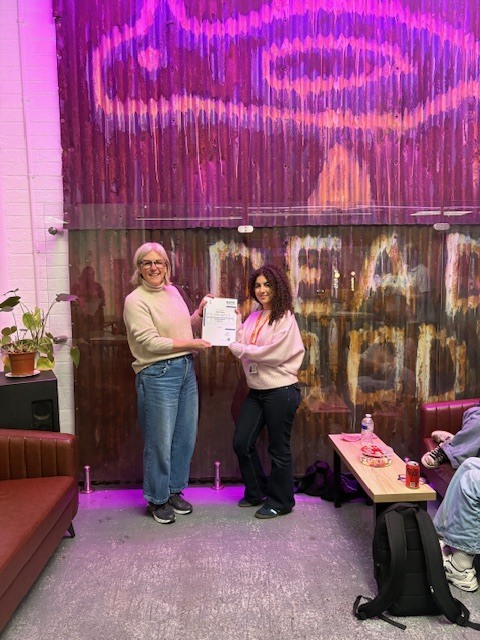
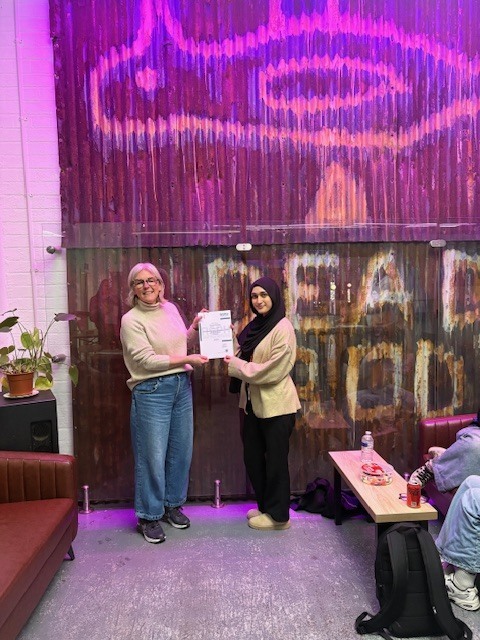
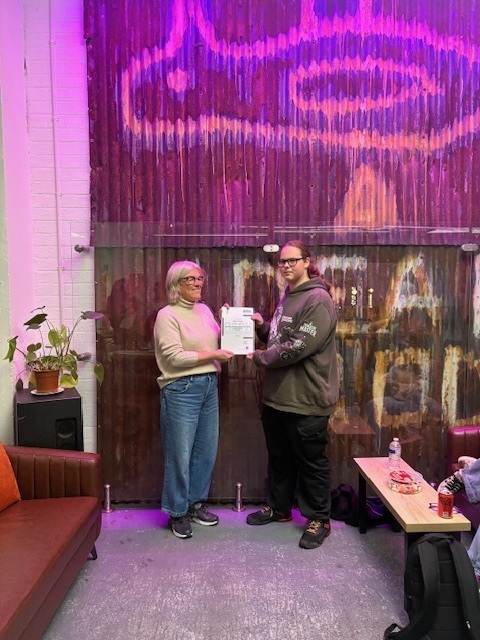
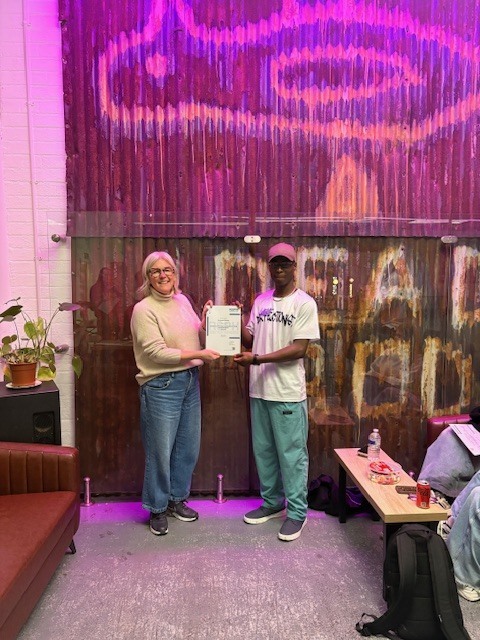
To recognise the young people's amazing work, we held a celebration event at Humber Street Gallery on the 27 January 2026. 

Photos of the graduates receiving their certificates:

Resources from Healthcare Experts

The programme was developed by We Do Wellbeing, a training consultancy with a background in health and wellbeing and tutors accredited by the Royal Society of Public Health and Mental Health First Aid England.

Dawn Foster, Founder of We Do Wellbeing, said: “Delivering programmes for young champions is one of the best parts of my job. I get to work with young people who are so passionate about the topics we discuss and who have amazing ideas for delivering positive public health campaigns.

“This course is especially exciting because it is a national pilot on the topic of violence prevention, so I can’t wait to see what comes from this new work. My passion is to deliver training in a way that is fun, inclusive and also impactful for the young people who join the course.”

NHS Humber Health Partnership, the Royal Society for Public Health and Hull University Teaching Hospitals NHS Trust were among the healthcare organisations that helped shape the learning resources for the qualification.

Rachael Hardcastle-Pearce, Humber Health Champions and Voluntary Service Lead at Hull University Teaching Hospitals NHS Trust, said: “This programme not only boosts confidence and leadership abilities, but also equips volunteers with recognised training to strengthen future career prospects in health and social care. Most importantly, it helps young champions become positive role models by promoting wellbeing, resilience and safer choices across diverse communities.

“Through active engagement and collaborative learning, this programme turns passion into action, empowering participants to create lasting change where it matters most.”

Future Focus

We will work with the graduates to develop their inspiring ideas and help bring their campaigns to life. 

The students also have an opportunity to volunteer within the emergency department alongside the “Navigators” team at a local hospital: Hull Royal Infirmary, Scunthorpe General Hospital or Diana Princess of Wales in Grimsby. Navigators are specially trained case workers who reach out to hospital patients aged between 11 and 35 who have been injured or traumatised by violence. They build relationships with these young people, guiding them to local services and providing ongoing support so they can make positive changes in their lives.

Positive Impact

As part of the application process, the young people were asked to explain why they were interested in the qualification. Reasons included ambitions to work for the NHS, an interest in psychology and to bring peace to their community. One successful applicant said: "I care about promoting safety, respect and understanding among young people. Moreover, I am aware that violence, regardless of whether it is physical or emotional, affects many lives, and I think it’s important to learn how to prevent it rather than just react or cope with it. 

"I am also interested in gaining practical skills that could help me recognise the signs of unhealthy and/or risky situations and know how to properly respond in a positive way. The course would help me build my communication and leadership skills, which I could use to support others and encourage more open conversations about respect and boundaries. 

"After the training, I plan to use what I’ve learned to help raise awareness in my college and community. I also believe that this qualification will not only help me grow personally but allow me to contribute to creating a safer and more supportive environment for everyone. I see this training as a chance to prepare me for future roles in community engagement, education or health-related work where empathy and prevention are essential."

Jonathan Evison, Police and Crime Commissioner for Humberside and Chair of the Humber Violence Prevention Partnership, said: “Engaged, resilient and inclusive communities are a key focus of my Police and Crime Plan. This new qualification is an excellent pathway for young people to contribute to the safety of our communities and I am certain it will have a positive impact on the Humber region.”

More Information

If you would like to learn more about this programme, please email our team at info@humbervpp.org

Exit website