Background

In 2025, the Humber VPP funded a national pilot programme for Youth Health Champions specialising in violence prevention and reduction.

Some of the graduates chose to further develop their campaigns aimed at reducing serious violence. One female-led group had the fantastic idea of “third spaces” for girls aged 14-19.

You can read about the campaign and its development on this page. We’d also appreciate any feedback about the initiative – click the green button below.

About the Campaign

The Third Space Initiative is a youth-led campaign that champions “third spaces” – separate from school and home - where girls aged 14-19 can engage in honest conversations without judgement or pressure.

Through talking with peers their own age with similar experiences, it encourages girls to think critically about what respect, safety and autonomy look like in their own lives. Rather than responding to harm after it occurs, the campaign is focused on early intervention, helping young women recognise patterns, question norms and develop a strong sense of personal boundaries before entering serious relationships.

Topics like relationship abuse can be difficult. Young women may not feel comfortable asking for advice from their parents or carers. This campaign champions spaces where girls feel open and safe to ask anything.

Why This Matters

  • Early relationship experiences often shape long-term expectations. Without guidance, unhealthy patterns can become repeated. This campaign can address accountability and make sure all girls know it’s not their fault if they're in an unhealthy or abusive relationship.
  • Young women today are forming their understanding of relationships in an environment heavily shaped by social media, online influencers and polarised conversations around gender and power.
  • Behaviours such as jealousy, control and emotional intensity are often normalised or even romanticised, making it increasingly difficult for young people to distinguish between healthy and unhealthy dynamics.
  • Existing relationship education often focuses on extremes – highlighting obvious cases of harm – while overlooking the subtle, everyday behaviours that gradually erode boundaries and self-worth. As a result, many young people do not identify their experiences as unhealthy until patterns are already established.
  • Conversations around relationships may be introduced too late, oversimplified, or framed in ways that do not reflect the realities young girls are actually navigating. This leaves many without the language or confidence to recognise harmful patterns.

By addressing these themes early, this initiative aims to encourage resilience, independence and self-respect.

Promoting the Campaign

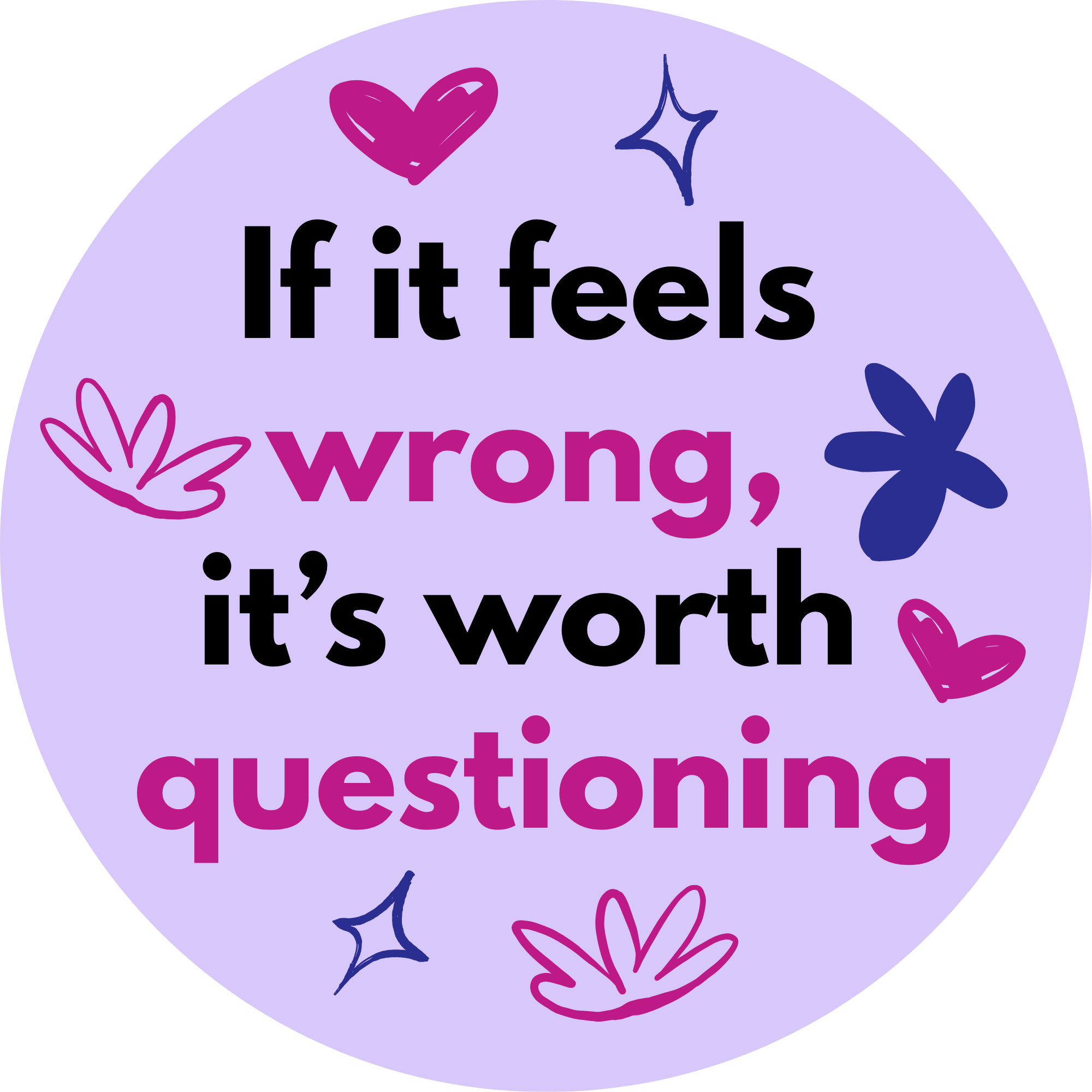
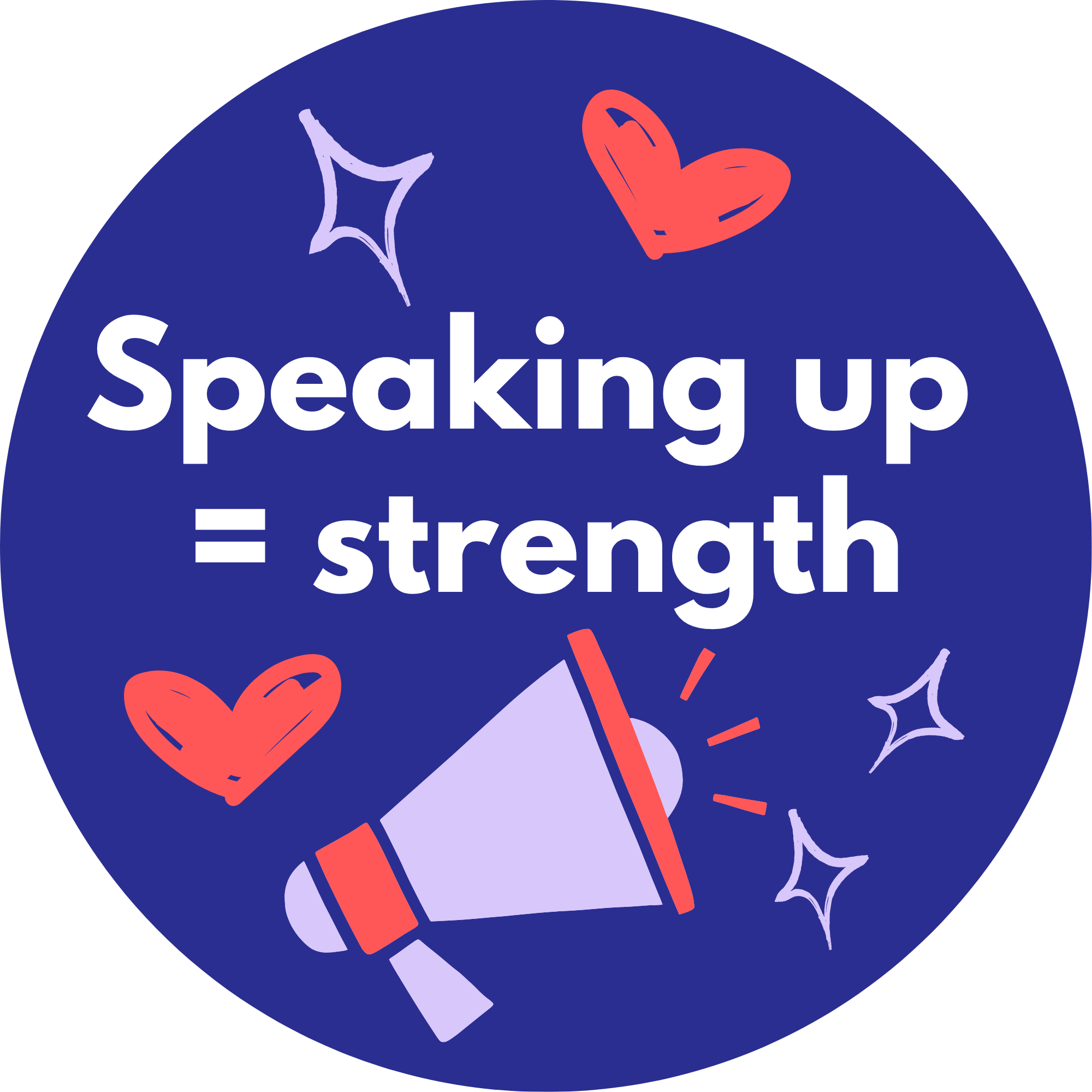
To help promote the campaign, the Champions created badges aimed at their target audience with positive messaging:

Badge A
Badge B

These badges can be worn on lanyards at school, in the workplace or at events, to spread the messages of self-respect and questioning unhealthy relationships.

Help and Support

For advice on healthy relationships, visit the websites listed below:

What Makes this Campaign Different?

Traditional delivery methods can feel impersonal or prescriptive, limiting engagement. Young girls are often told what to avoid but not given the space to critically explore why certain behaviours are harmful or how to respond in real-life situations.

What distinguishes The Third Space Initiative is its preventative focus and participant-led ethos. Rather than intervening after harm has occurred, it gives young women the awareness to identify and avoid unhealthy dynamics before they become normalised.

The initiative also focuses on relatability and peer engagement. By reflecting the real experiences, language, and pressures faced by its audience, it makes sure that content is not only understood but internalised. This increases both immediate impact and long-term behavioural change.

Empowering Young Women

This initiative also aims to help women call out unhealthy behaviour. Recognising signs and knowing what is harmful is the first step – actually calling out behaviour and working from it is the next. It can be difficult to have these conversations with loved ones, which is why this initiative exists.

Young women may find it even more difficult to put themselves first, or to call out behaviour. Wanting to avoid conflict with your partner may only catalyse the harmful behaviours exhibited, allowing it to remain ongoing and potentially get worse.

This campaign encourages young women to have a solid foundation of who they are, and to love themselves enough to not allow anyone else to belittle them or put them down.

Ongoing Challenges

Someone in an unhealthy relationship may experience a loss of identity. This happens when small compromises build up until you start prioritising your partner over yourself or you loose touch with hobbies, friends and family.

There are many cultural norms where women are not expected to or even allowed to challenge their husbands or partner.

Some young women may feel unable to challenge unhealthy or controlling behaviour due to social pressure, fear of judgement, or unequal relationship dynamics. Over time, this can leave people feeling unheard, isolated, or dismissed. Creating safe spaces for honest conversations can help young women recognise unhealthy behaviours and feel more confident speaking up. 

Feedback

To help develop the campaign, we'd love to hear your opinions.

Exit website