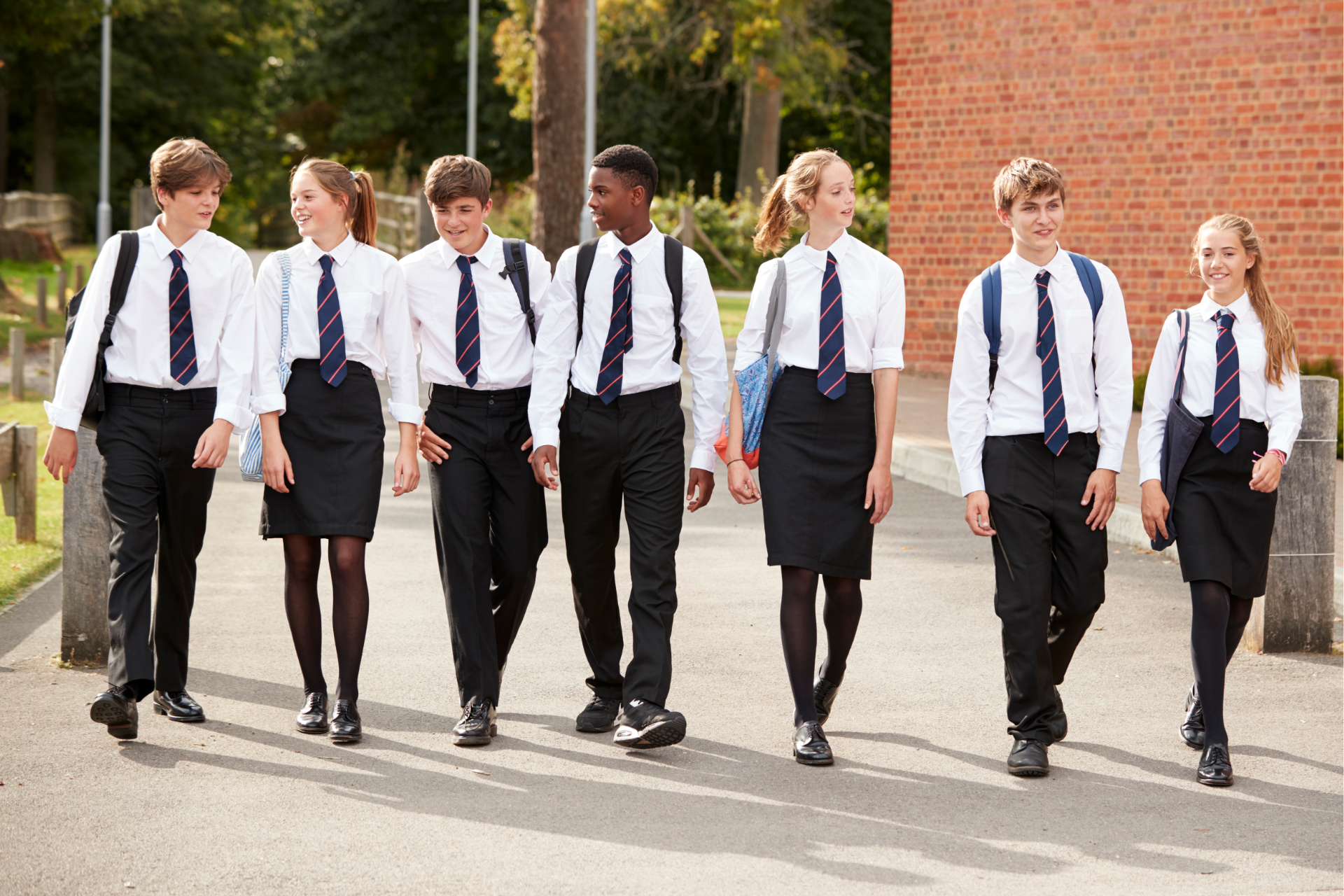
As children and young people across Humberside prepare for a new school year, the focus is often on uniforms, timetables and settling into new routines.
But the start of term also presents an important opportunity for violence prevention.
Through our Youth Connect project, young people have shared valuable insights about where they feel unsafe, when risks increase and what support could help prevent harm. Their experiences remind us that violence prevention is not just about responding to incidents but understanding risk early and creating environments where young people feel safe, supported and connected.
School can be a protective factor, but only when young people feel safe
Schools play a vital role in helping young people build friendships, access support and develop the skills they need to thrive. However, youth voice evidence from across the region highlights that some young people do not always feel safe within educational settings.
According to the North East Lincolnshire 2024 Adolescent Survey, more than half of reported bullying incidents (around 53%) take place in school. Young people have described fears of being attacked, witnessing conflict and feeling unsafe within school environments.
For some, experiences of isolation rooms or separate units can contribute to feelings of exclusion and reinforce perceptions that they are viewed as a "problem" rather than a young person needing support.
When young people feel disconnected from school, misunderstood by adults or excluded from their peers, vulnerabilities can increase. Violence prevention starts with creating school environments where young people feel valued, heard and supported.
The journey to and from school is often where risks emerge
Young people consistently identify the journey to and from school as a time when they feel particularly vulnerable.
Bus stops, train stations and public transport are frequently described as places where intimidation, confrontation and fighting occur. Some young people report feeling uncomfortable around large groups congregating at transport hubs, while others have witnessed violence on their journeys.
Girls also report heightened concerns about personal safety when travelling alone, particularly in isolated areas or after dark.
Transition points can increase vulnerability
One of the most significant findings from Youth Connect is the importance of the transition from primary to secondary school.
Young people consistently identify the move to secondary school, typically between the ages of 10 and 12, as a critical period where risks can increase.
Many young people who later became involved in harmful behaviour or the justice system reflected on this period as the point when "things started to go wrong." They described struggling with new pressures, changing friendship groups, greater independence and the challenge of adapting to a completely different environment.
Without the right support, some young people can become more susceptible to negative influences, peer pressure and harmful behaviours.
Online conflict is increasingly becoming school conflict
Another clear theme emerging from the evidence is the role of social media in shaping young people's experiences of conflict. Young people report that arguments, bullying and threats that begin online frequently spill into schools and communities.
Platforms such as Snapchat, Instagram and TikTok can amplify disagreements, making them feel difficult to escape and increasing the likelihood that tensions continue face-to-face.
This reinforces the need to understand what happens online as well as offline. Young people's lives do not exist in separate digital and physical worlds. Conflict often moves between both, and effective prevention needs to reflect this.
Listening to young people helps prevent harm
Perhaps the most important message from the evidence is that young people understand the challenges they face and often know what would help.
They want trusted adults who listen. They want early support rather than waiting until problems escalate. They want safer routes to school, stronger responses to bullying and opportunities to build positive relationships.
By listening to young people's experiences, we can better understand where risks emerge and how to prevent harm before it happens.
Young people themselves have recommended:
- Earlier intervention and support
- Access to trusted adults and mentors
- Programmes focused on wellbeing and healthy friendships
- Greater education around managing conflict and peer pressure
- Opportunities to take part in positive activities from an earlier age
Using youth voice to inform prevention
Understanding these issues starts with listening to young people. Youth Connect brings together youth voice reports, surveys and engagement findings from across the Humber region, making it easier to understand what young people are saying about safety, violence and their experiences online.
By analysing large volumes of evidence, the Gemini Notebook identifies common themes, highlights emerging concerns and links insights back to the original sources while eliminating consultation fatigue for young people. This can help practitioners, commissioners, community organisations and decision-makers quickly access evidence that might otherwise be buried across multiple reports.
It can help practitioners, schools, community organisations and partners explore what young people are saying about safety, violence and wellbeing through simple, evidence-based queries. By identifying common themes and linking findings back to original sources, it helps turn youth voice into actionable insight.
Want to know what young people across Humberside are saying about safety, violence and prevention? Use Youth Connect to discover more insights.